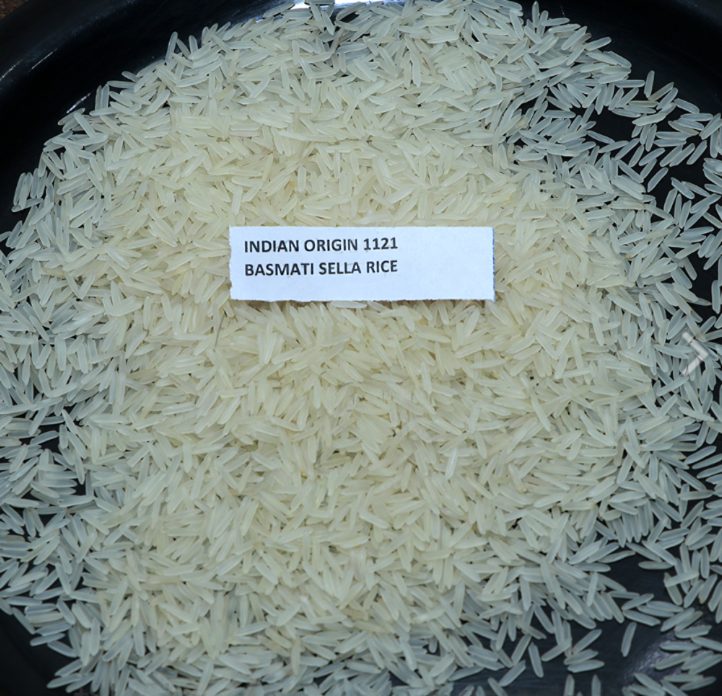
What "White Sella" means
White Sella starts the same way Golden Sella does — soaked and steamed before milling — but goes through additional polishing to remove more of the golden-amber pigment that parboiling deposits in the bran layer. The result keeps most of parboiling's structural benefits (firmness, lower breakage) while landing much closer to a natural white appearance than Golden Sella does.
How it's made
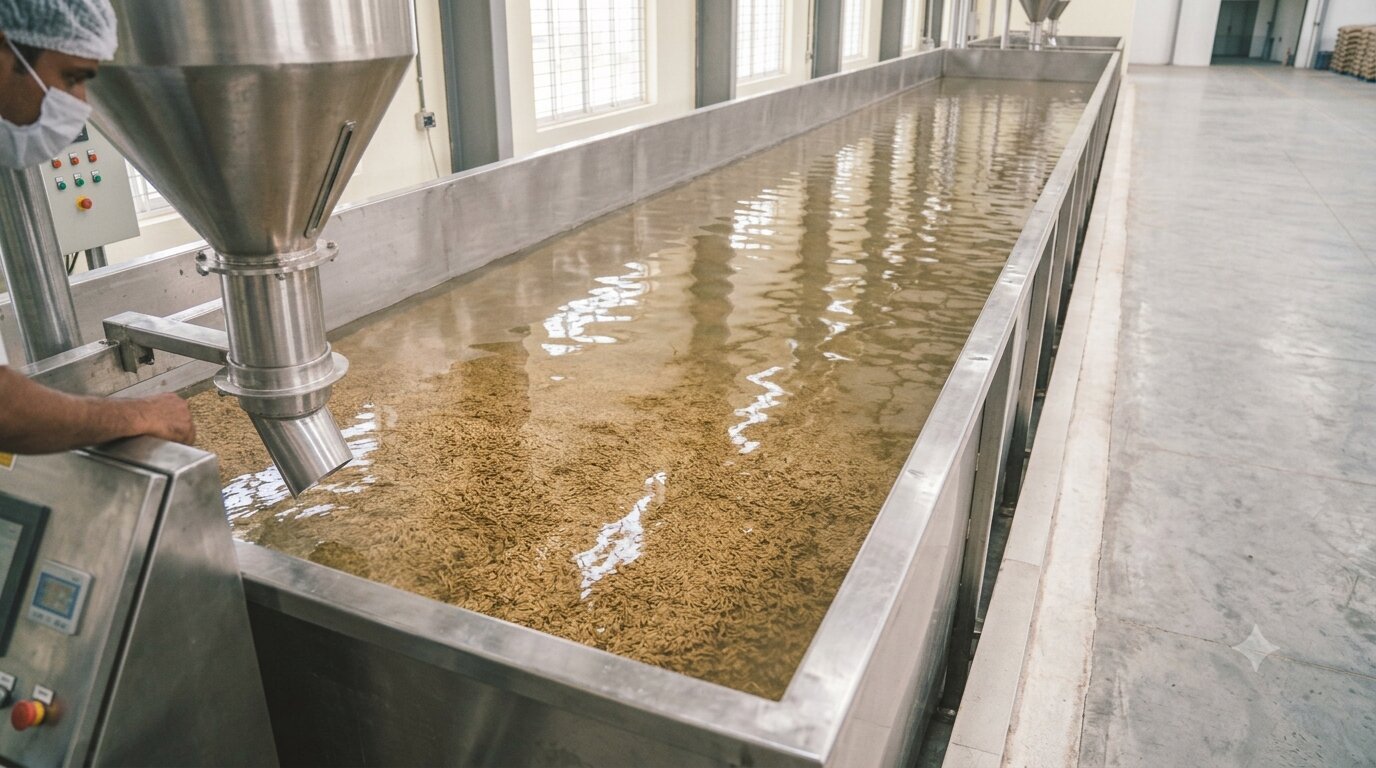
After the same soak-steam-dry parboiling cycle used for Golden Sella, White Sella paddy goes through a more intensive whitening and polishing pass to lift out more of the colour absorbed during steaming. That's a deliberate processing choice, not a different variety or a lower grade — it's the same parboiled grain, finished differently to hit a different point on the colour-versus-durability spectrum.
Appearance, aroma and cooking behaviour
White Sella looks close to Raw basmati — a pale, near-white grain — but cooks with noticeably more firmness and holds its shape better than Raw does, without the visible golden tinge that comes with Golden Sella. That combination makes it a middle-ground choice: firmer and more forgiving than Raw, more visually neutral than Golden Sella.
Who buys White Sella
Retail and foodservice buyers who want some of parboiling's durability benefits — better hold-up under reheating, lower breakage — but whose end customer expects a white-looking basmati rather than a golden one. It's a common choice where a golden tinge would look out of place on the plate but a purely Raw grain wouldn't hold up to the kitchen's workflow.
Handling and shelf life
Because it's parboiled rice underneath the extra polishing, White Sella carries the same handling advantages as Steam and Golden Sella — sturdier through milling, transit and storage than Raw, with a longer effective shelf life for buyers further down a distribution chain.
Available varieties
See 1121 Basmati or 1509 Basmati for full specifications, or browse the full product range.