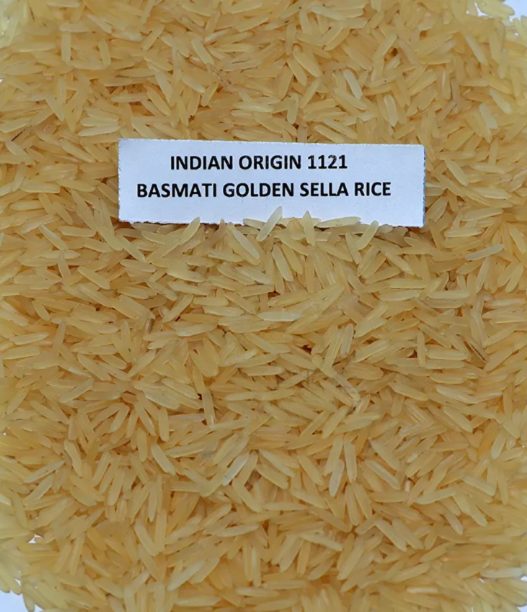
What "Golden Sella" means
Golden Sella takes the same soak-and-steam parboiling process as Steam and White Sella, but the paddy is steamed in a way that develops and keeps a pronounced golden-amber colour, and milling and polishing afterwards are deliberately lighter-touch so that colour carries through to the finished grain. It's the most heavily parboiled of the group in practical terms, and that shows in how it cooks.
How it's made
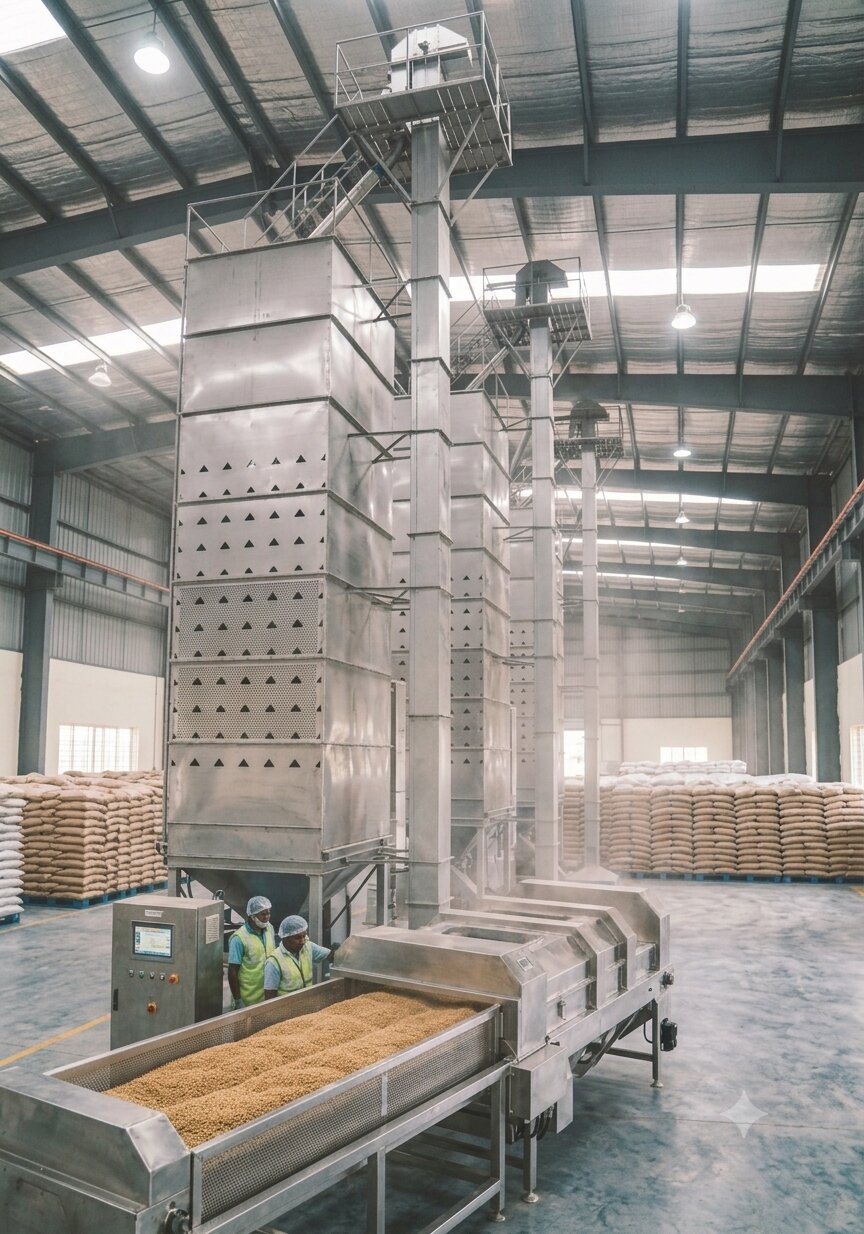
Paddy is soaked, then steamed — typically for longer or at conditions that draw more colour from the bran into the grain than the Steam or White Sella process does — then dried before milling. Milling and polishing are calibrated to retain rather than strip that colour, which is the opposite goal to the extra polishing pass used for White Sella. The result is a grain that's gone through the most complete starch-firming transformation of the four types.
Appearance, aroma and cooking behaviour
Golden Sella has a clearly visible golden-amber tinge before and after cooking, a milder aroma than Raw, and by far the firmest cooked texture of the four processing types. It resists overcooking, clumping and breakdown better than any of the others, which is exactly why it's specified anywhere rice needs to sit and hold rather than be served immediately.
Who buys Golden Sella
High-volume foodservice is the core market — buffet-style restaurants, catering operations, hotel banquets and institutional kitchens that cook rice in bulk and hold it under heat for extended service windows. The golden colour is a non-issue in these settings since the rice is typically served as part of a mixed dish rather than shown plain, and the heat-holding performance is what buyers are actually paying for.
Handling and shelf life
Golden Sella is the sturdiest of the four processing types through milling, transit and storage — the most complete parboiling transformation gives it the lowest breakage risk and the longest effective shelf life. For buyers managing a long supply chain or holding stock for extended periods, it's typically the lowest-risk processing choice.
Available varieties
Golden Sella is available across our full basmati range — see all varieties, or go straight to 1718 Basmati, bred in part for better milling yield under this processing.