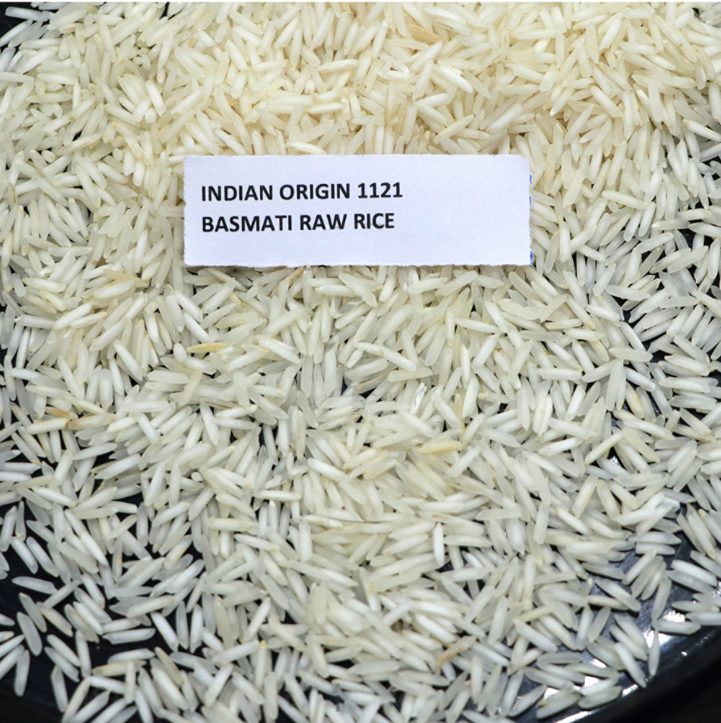
What "Raw" means
Raw basmati rice skips the parboiling (pre-cooking) step that the other three processing types go through. The paddy is dried, husked and milled directly, then polished and graded — so what reaches you is the grain in its most natural, unaltered state. This is the baseline against which Steam, White Sella and Golden Sella are all defined; each of those starts with the same paddy and adds a soak-steam-dry stage before milling.
How it's milled
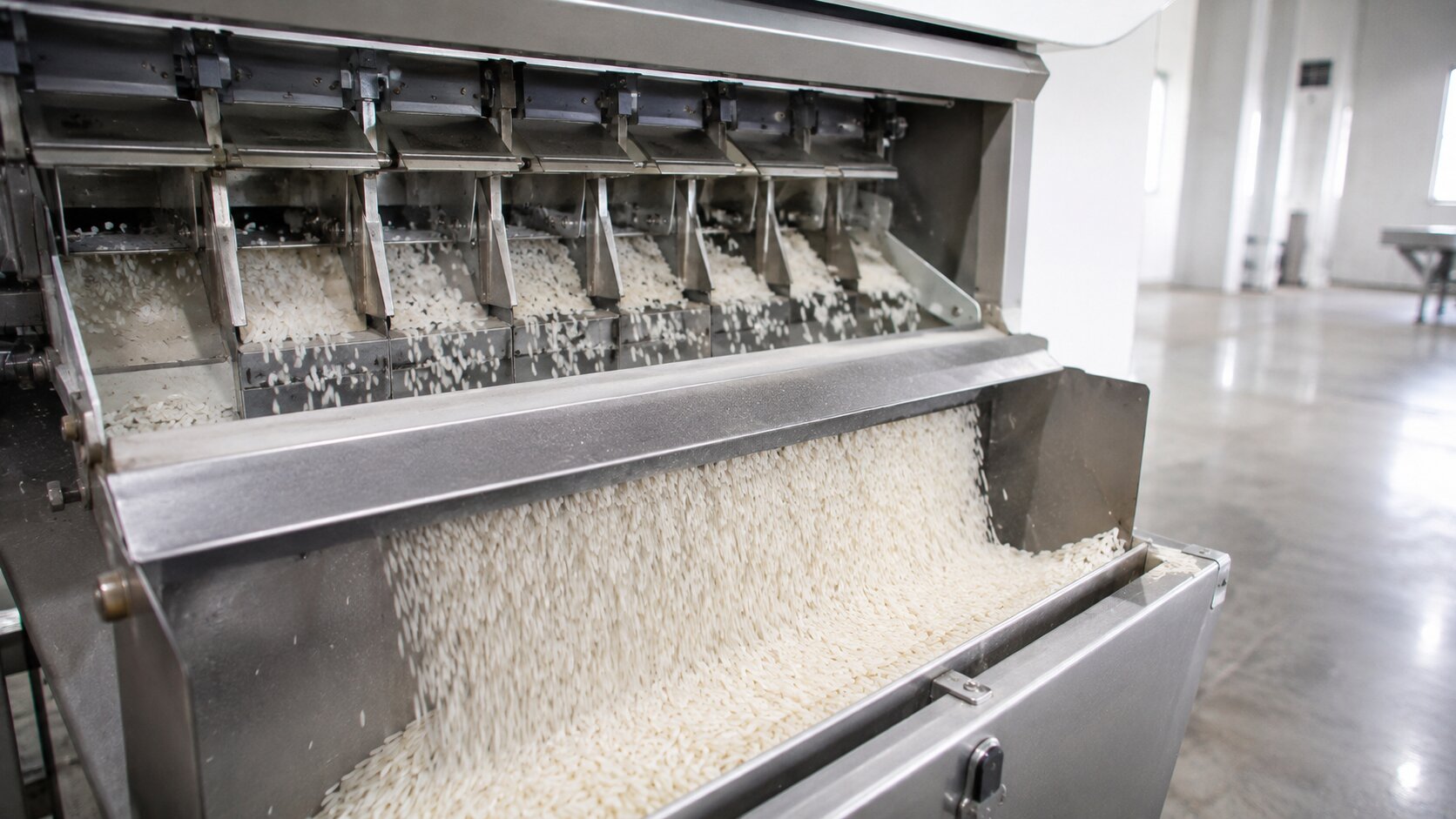
After harvest and drying, paddy destined for Raw processing goes straight to de-husking, which removes the outer hull to expose brown rice. That's followed by whitening and polishing to remove the bran layer, then length-grading and colour-sorting (typically by sortex machine) to pull out broken, discoloured or foreign grains before packing. Because there's no parboiling step to firm up the starch structure first, Raw grain is comparatively more prone to breakage during this milling sequence and in transit afterwards — one of the trade-offs buyers weigh against its cleaner look and lighter aroma.
Appearance, aroma and cooking behaviour
Raw basmati is the whitest and most translucent-looking of the four types before cooking, with the most delicate — some buyers say the most "pure" — basmati aroma of the group. Cooked, it produces a softer, slightly more fragile grain than the parboiled types, with less elongation resistance if overcooked. For buyers whose end customer wants a light, fluffy, traditional basmati texture rather than a firm bite, Raw is usually the reference point. If a home-cook buyer ever asks why their rice turned sticky, our troubleshooting guide covers the usual causes and the fix.
Who buys Raw basmati
Most retail and home-cooking demand — the shelf-ready bags sold through South Asian and general grocery — defaults to Raw, since it matches what home cooks expect basmati to look and taste like. It's less common in high-volume foodservice, where the firmer, more forgiving parboiled types are usually specified instead to handle batch cooking and reheating.
Handling and shelf life
Raw rice needs a bit more care through the supply chain than parboiled grain — tighter moisture control during storage, and more attention to handling to keep breakage percentage low across a long sea voyage. We factor this into how we pack and load Raw orders, and can quote a lower-breakage grade where your specification calls for it.
Available varieties
See full specifications on the 1121 Basmati and 1718 Basmati product pages, or browse the full product range for other varieties and processing combinations.