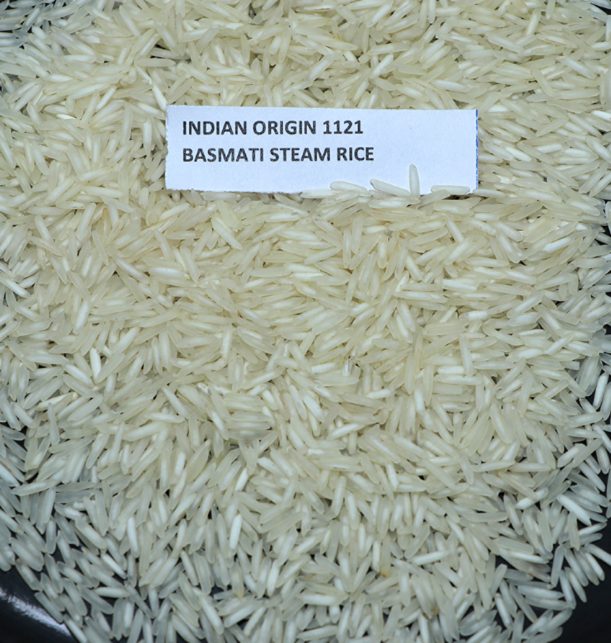
Within Steam processing, you’ll sometimes hear exporters distinguish between “light steam” and “dark steam” grain. It’s a real distinction, but it’s a matter of degree within the same processing category rather than a separate product — worth understanding so you know what to specify, but not something to lose sleep over if it isn’t mentioned on a quote.
What changes between light and dark steam
Steam (parboiled) rice is soaked and steamed before milling, and the intensity and duration of that steaming step is a variable an exporter can control. A lighter steam treatment pulls less colour and firmness change out of the grain, landing closer to Raw in appearance with a milder version of parboiling’s durability benefits. A darker, more intensive steam treatment develops a more pronounced colour shift and firms up the starch structure more completely, landing closer to White Sella or even Golden Sella territory in cooking behaviour, without the deliberate colour retention that defines Golden Sella specifically.
Why this happens
It comes down to how long the paddy is steamed and at what temperature and pressure before drying. There’s no universal industry standard for exactly where “light” ends and “dark” begins — it’s a spectrum, and different mills calibrate it slightly differently based on their equipment and the specific paddy batch. That’s part of why processing terminology varies more between suppliers than you might expect for what sounds like a standardized product category.
Does it actually matter for your order?
For most buyers, the answer is: less than the four core processing categories (Raw, Steam, White Sella, Golden Sella) do. If your specification calls for Steam and doesn’t get more specific than that, you’ll receive rice within the normal range for that category. The light-versus-dark distinction matters more if you’ve had a specific batch that performed unusually well or unusually poorly in your kitchen or on your shelf, and you want to communicate precisely what changed so future orders match it — in that case, it’s worth flagging to your supplier rather than assuming “Steam” alone captures it.
What to do if consistency matters to you
If you’re running a foodservice operation where consistent reheating behaviour matters — the exact scenario Steam processing is chosen for in the first place — ask your exporter to hold the steaming parameters consistent batch to batch, or request a reference sample you can compare new shipments against. That’s a more reliable way to get consistency than trying to specify “light” or “dark” as an exact term, since it isn’t standardized across the industry.
For the full picture on how Steam compares to the other three processing types, see our Steam processing guide or the full comparison across all four.