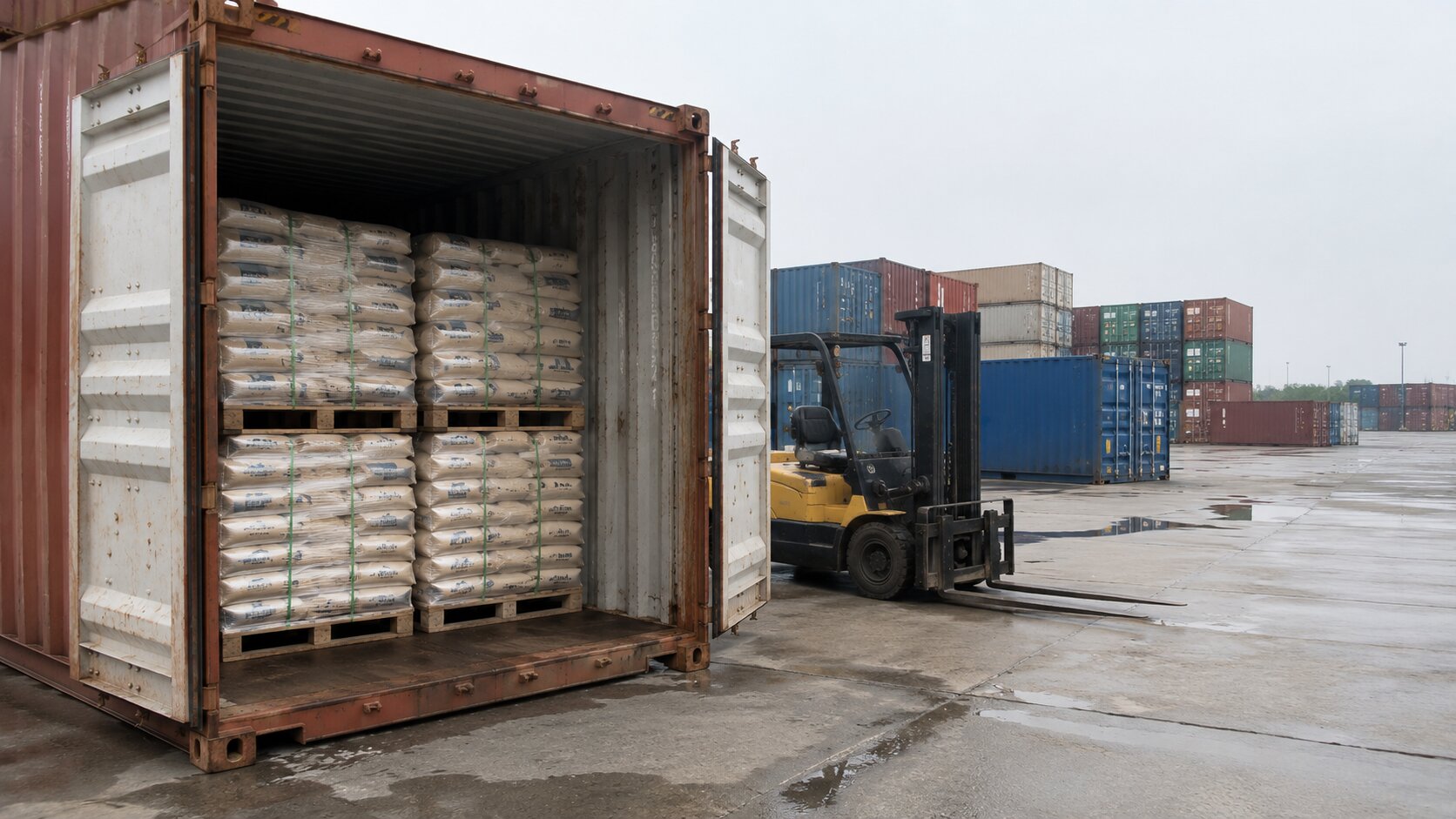
Packaging decisions on a rice order affect more than presentation — they directly determine your minimum order quantity and how many bags fit in a container, which changes your landed cost per unit. Here’s how the common formats compare.
Packaging formats
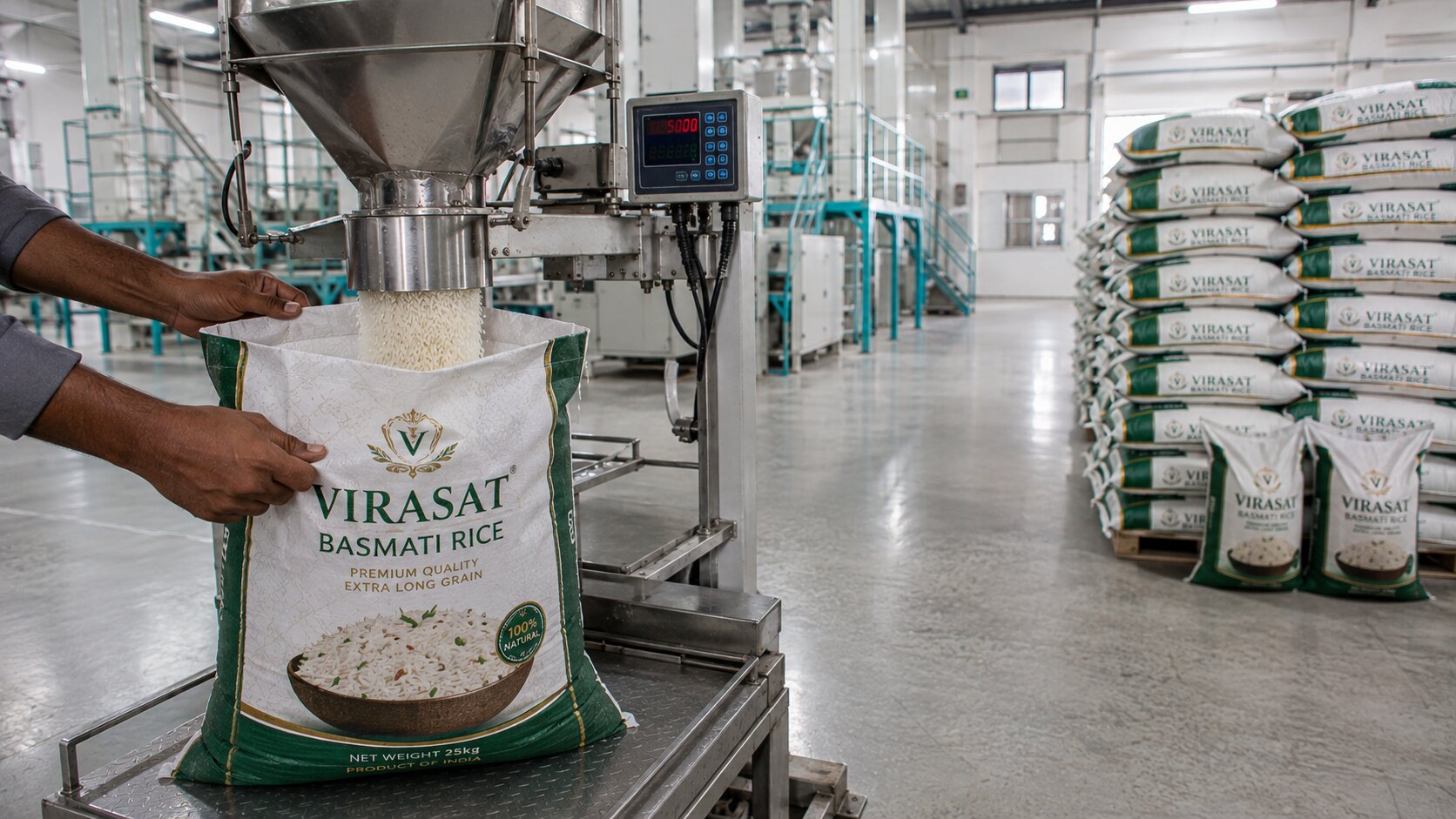
- PP (woven polypropylene) bags, 5–50kg — the standard bulk and mid-size retail format. Durable, inexpensive, and the default choice for foodservice and wholesale buyers.
- Non-woven bags, 1–40kg — a step up in retail presentation from PP, often used for mid-tier retail packs.
- Jute bags, 1–40kg — traditional presentation, still requested by some retail and specialty buyers for its natural-material appeal.
- BOPP (printed laminated) bags, 5–40kg — full-colour branded packaging, the format most private-label retail programmes use for shelf-ready bags.
- Pouches, 1–10kg — small-format retail packaging, typically the highest-cost-per-kg option but standard for supermarket shelf placement at consumer pack sizes.
Why packaging changes your MOQ
Bulk formats — PP, non-woven and jute — typically have a minimum order of one full container load (FCL), roughly 20–25 metric tonnes, because they’re produced and packed in bulk runs. BOPP and pouch formats, being smaller consumer packs requiring dedicated printing and packing lines, generally carry a higher MOQ in FCL terms — often 2–8 FCL depending on bag weight — since the packing line needs a larger total run to be cost-efficient at small pack sizes.
If you’re testing a new market or a new retail listing, this is worth planning for early: a private-label pouch programme is a bigger initial commitment than a bulk PP order, even though the per-bag price looks similar on a spec sheet.
20ft vs 40ft containers
A standard 20ft container typically holds around 20–25 metric tonnes of bagged rice — closely matching the typical 1 FCL minimum order for bulk packaging. A 40ft container roughly doubles that capacity. For a first order, a single 20ft container is usually the more manageable commitment; larger, repeat buyers often move to 40ft containers once volume justifies it, since the per-tonne freight cost is generally lower.
Private label
Private-label programmes are available at extra cost across BOPP, pouch and non-woven formats, with lead time for label proofing and print runs built into the production schedule. If private label is part of your plan, factor in extra lead time on your first order for artwork approval before packing begins.
Getting a packaging plan sorted early
The most common mistake we see from first-time importers is finalising a retail launch date before confirming packaging lead times with their supplier. Bring your packaging format, MOQ constraints and target ship date into the conversation at quote stage, not after the order is placed.
Request a quote and tell us your target packaging format and volume — we’ll confirm MOQ and lead time against it.