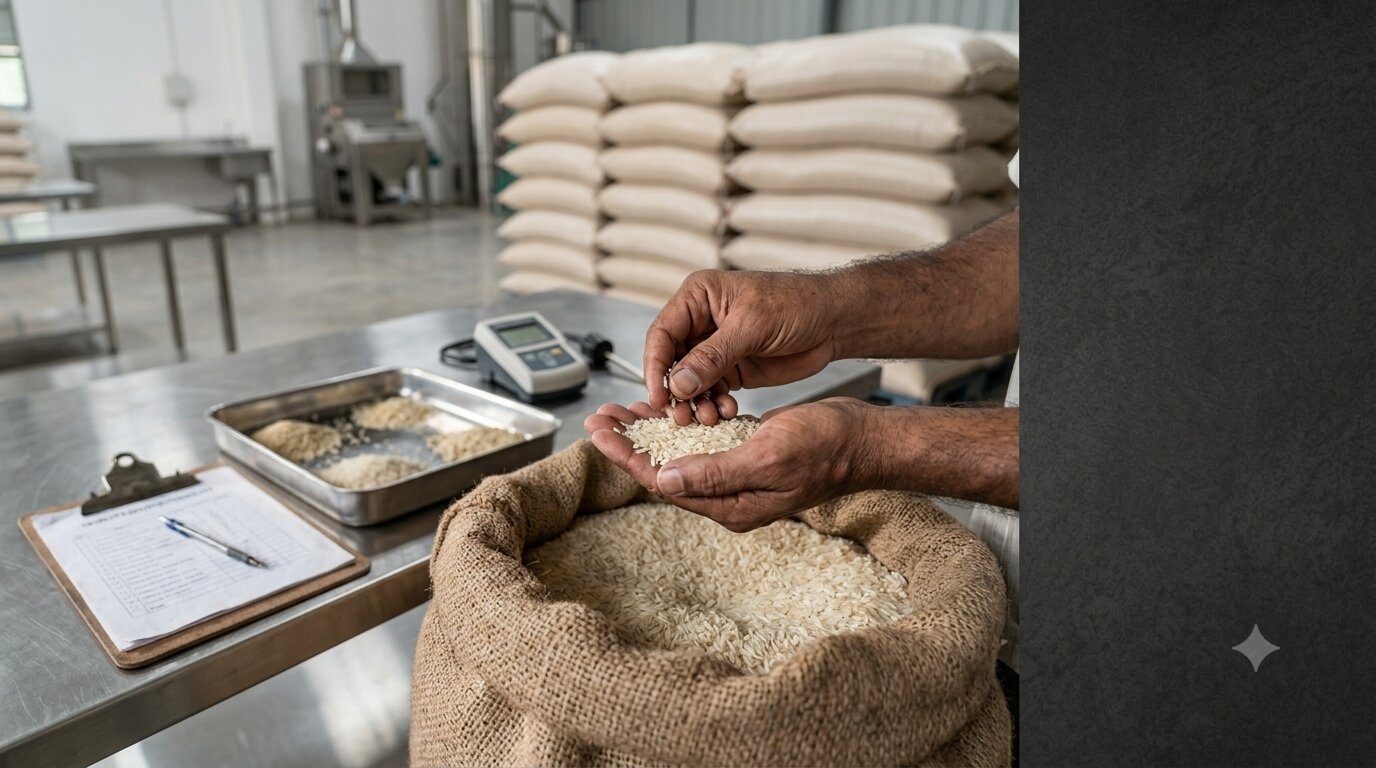
We’re based in Cheeka, in Kaithal district, Haryana — inside one of India’s core basmati-growing and milling regions. Being physically close to that belt shapes how we source and check quality, so it’s worth explaining what actually happens between a paddy field and a container of milled rice.
Why Haryana and Punjab specifically
Basmati is a Geographical Indication (GI) protected crop grown across a defined belt spanning parts of Punjab, Haryana, Himachal Pradesh, Uttarakhand, Delhi, Uttar Pradesh and Jammu & Kashmir — the soil, water and climate conditions across this belt are part of what the GI protection is tied to. Haryana and Punjab in particular host a dense concentration of both paddy cultivation and milling infrastructure, which means shorter transport distances between harvest and mill, and a milling industry with generations of specific expertise in handling basmati’s long, aromatic grain.
From paddy intake to milling
Harvested paddy arrives at the mill and is dried to a controlled moisture level before storage — this step alone affects how well the grain survives the milling process without breaking.
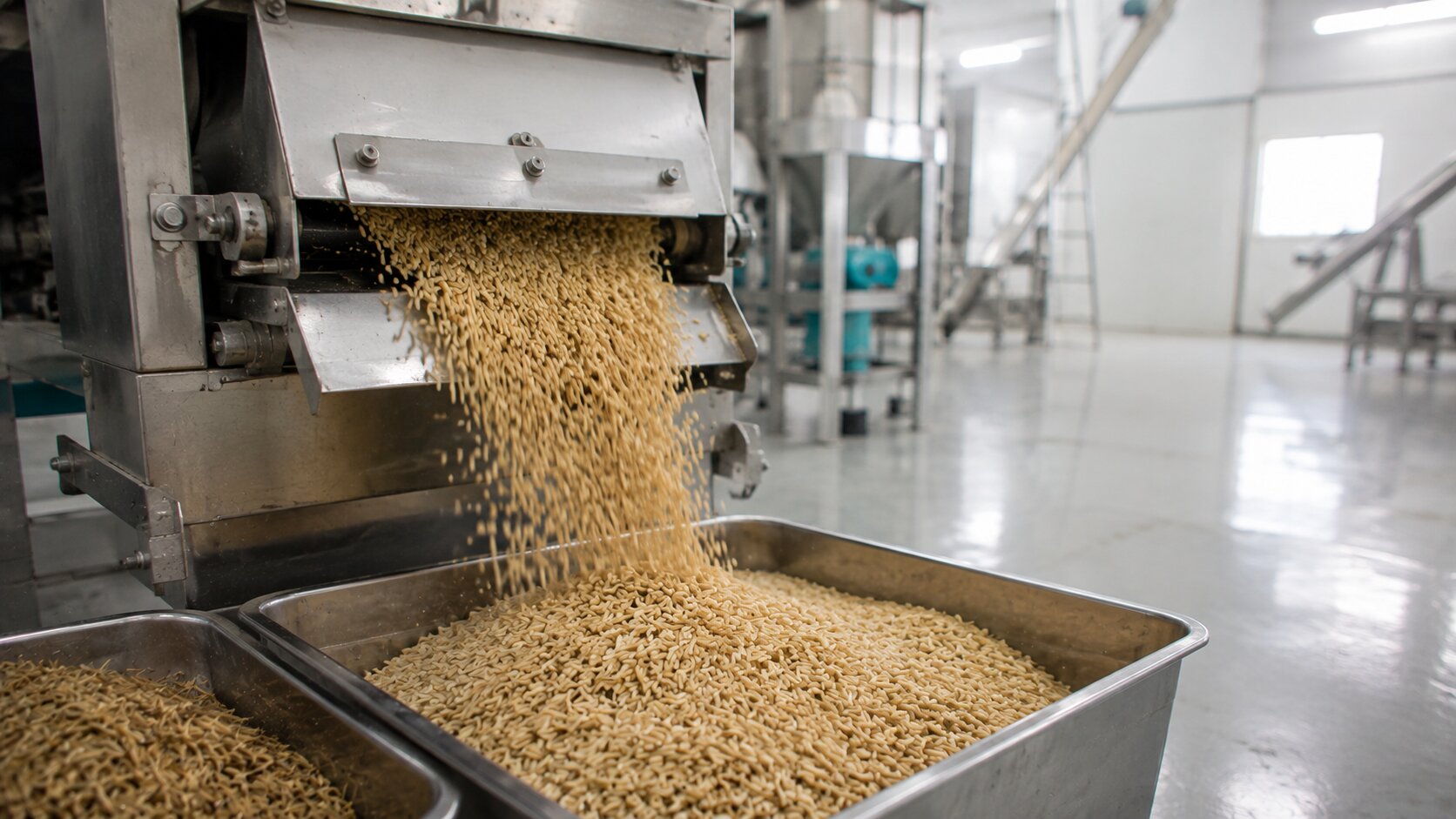
From there, paddy destined for Raw processing goes straight to de-husking, while paddy destined for Steam, White Sella or Golden Sella first goes through the soak-steam-dry parboiling cycle described in our processing guide. After husking, the grain is whitened, polished, and passed through length-grading and colour-sorting equipment to separate broken, discoloured or foreign grains before packing.
Why we work with partner mills rather than owning one
We’re a newly established export house, and we’ve made a deliberate choice not to overstate that: rather than owning a mill outright, we work directly with APEDA-registered mills across Haryana and Punjab, personally overseeing sourcing, quality checks, packing and documentation for every order we send. That model keeps us close to the paddy and close to the miller without the capital commitment of owning milling infrastructure — and it means the person quoting your order is the same person following it through to loading, rather than one link in a longer chain.
What this means for quality control
Because we’re not several steps removed from the mill floor, specification changes and quality checks don’t have to travel through layers of communication before they’re actioned — grain length, moisture, and colour-sorting standards can be confirmed and adjusted for a specific order rather than accepted as whatever standard batch happens to be on hand. That direct line is one of the more concrete advantages of a smaller, regionally rooted export operation over a larger one working at more of a remove from the mills it sources from.
If you’d like more detail on our sourcing model or current registrations before placing a first order, our About and Certifications & Compliance pages cover exactly where we stand.